Healing from Shame: What We Can Learn from Marvel’s Thunderbolts
- posted: May 28, 2025
Earlier this month, Thunderbolts hit theaters, and like many Marvel films, it delivered high-stakes action, intense character dynamics, and superhero spectacle. But beneath the explosions and witty banter, Thunderbolts offers a surprisingly profound message about the power of connection, the burden of shame, and the real path toward emotional healing.
As a therapist, I couldn’t help but see the deeper therapeutic themes woven into the story—especially for anyone navigating mental health struggles like trauma, addiction, or deep-rooted shame.
Spoiler Alert: There's More to Bob Than Meets the Eye
The movie centers on a group of misfit characters—antiheroes, really—who were once on the fringes of the Avengers world. Thrown together under false pretenses and trapped in a secret facility, they’re forced to cooperate just to survive. They eventually escape, but not before encountering Bob, a soft-spoken, confused man who seems out of place in a superhero story.
But as the story unfolds, Bob is revealed to be Sentry, one of the most powerful superheroes in the Marvel universe. Once addicted to meth and haunted by trauma, Bob had volunteered for a secret experiment in hopes of doing something good with his life. Sadly, even after gaining godlike powers, Bob finds himself unable to escape the inner darkness that follows him—his shame.
And that’s where things take a very human turn.
When Shame Becomes a Monster
Bob’s internal struggle doesn’t stay internal for long. His pain, regret, and self-hatred give rise to The Void—a dark, destructive alter ego that threatens to engulf New York City. The Void isn’t just another villain; it’s the embodiment of Bob’s unresolved trauma and toxic shame. He tries to fight it with brute force, but the more he struggles, the stronger The Void becomes.
This is such a powerful metaphor for how shame operates in real life. Shame doesn’t respond well to anger or denial. In fact, when we turn on ourselves—judging, blaming, or punishing ourselves—it often makes the emotional pain worse. Just like Bob, many people end up stuck in cycles of self-sabotage, depression, or addiction, thinking they’re “too broken” to be helped.
But there’s hope.
Healing Doesn't Happen in Isolation
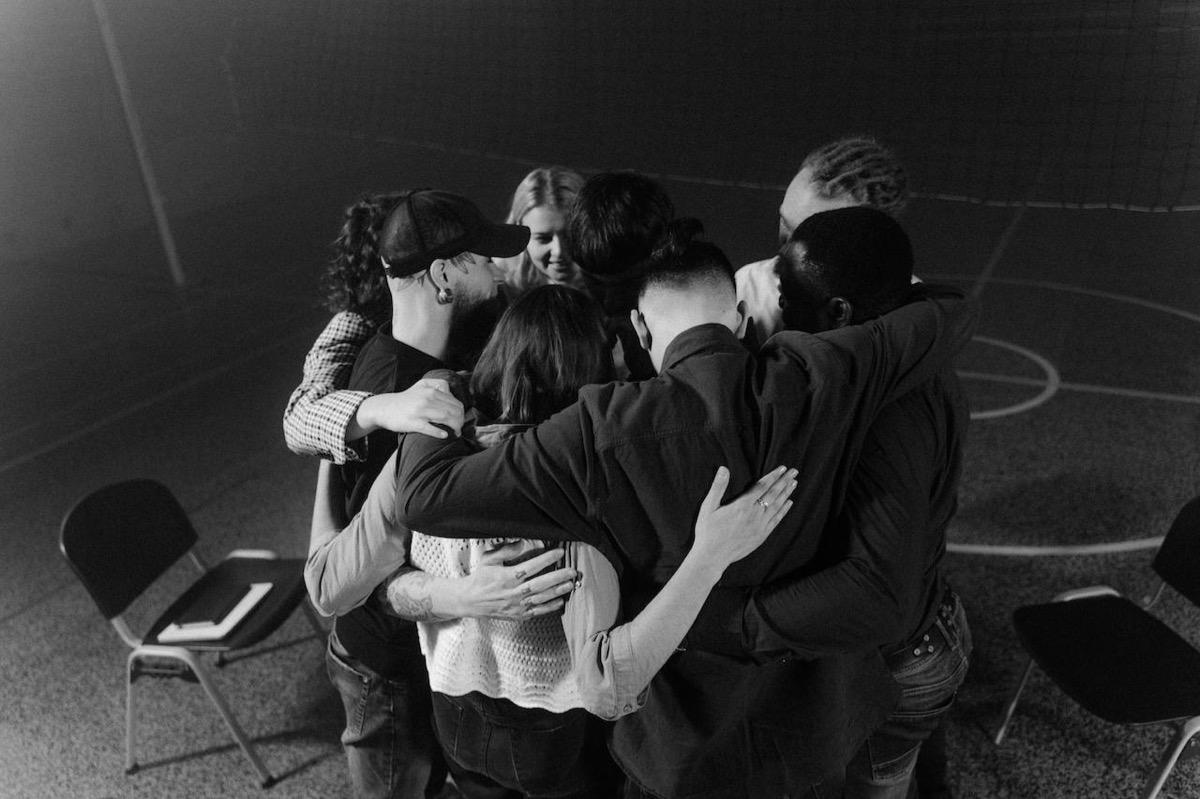
In the final act of Thunderbolts, something remarkable happens. Bob’s new team doesn’t abandon him. Instead, they follow him into The Void—literally and emotionally. They remind him that he’s not alone, that he matters, and that he’s worthy of love and support. With their help, Bob is finally able to confront The Void—not with fists, but with vulnerability. And that’s what weakens it.
That scene brought tears to my eyes, because it mirrors what therapy often looks like. Healing from shame isn’t about “fixing” yourself. It’s about being seen, accepted, and supported—especially when you feel least deserving of it.
Therapy for Shame, Trauma, and Self-Worth
In my practice, I work with individuals who, like Bob, carry heavy burdens from the past. Many are dealing with eating disorders, addiction, depression, anxiety, or trauma that stems from unresolved shame. And while there’s no quick fix, therapy offers a safe, supportive space to begin healing.
We explore where those feelings of “not good enough” come from, how they affect your relationships, and what it looks like to treat yourself with the same compassion you'd offer a friend. Sometimes, just having someone say, “You don’t have to go through this alone,” can be a powerful first step.
You Don’t Have to Fight The Void Alone
If you're struggling with an inner battle that feels all-consuming, please know that help is available. Whether it’s through therapy, support groups, trusted friends, or family, healing is possible—and you don’t have to do it by yourself.
If you'd like to explore how therapy can help you work through shame, trauma, or emotional pain, I’m here to help. Click here to schedule an appointment or learn more about how we can begin this journey together.
- posted: May 28, 2025
Earlier this month, Thunderbolts hit theaters, and like many Marvel films, it delivered high-stakes action, intense character dynamics, and superhero spectacle. But beneath the explosions and witty banter, Thunderbolts offers a surprisingly profound message about the power of connection, the burden of shame, and the real path toward emotional healing.
As a therapist, I couldn’t help but see the deeper therapeutic themes woven into the story—especially for anyone navigating mental health struggles like trauma, addiction, or deep-rooted shame.
Spoiler Alert: There's More to Bob Than Meets the Eye
The movie centers on a group of misfit characters—antiheroes, really—who were once on the fringes of the Avengers world. Thrown together under false pretenses and trapped in a secret facility, they’re forced to cooperate just to survive. They eventually escape, but not before encountering Bob, a soft-spoken, confused man who seems out of place in a superhero story.
But as the story unfolds, Bob is revealed to be Sentry, one of the most powerful superheroes in the Marvel universe. Once addicted to meth and haunted by trauma, Bob had volunteered for a secret experiment in hopes of doing something good with his life. Sadly, even after gaining godlike powers, Bob finds himself unable to escape the inner darkness that follows him—his shame.
And that’s where things take a very human turn.
When Shame Becomes a Monster
Bob’s internal struggle doesn’t stay internal for long. His pain, regret, and self-hatred give rise to The Void—a dark, destructive alter ego that threatens to engulf New York City. The Void isn’t just another villain; it’s the embodiment of Bob’s unresolved trauma and toxic shame. He tries to fight it with brute force, but the more he struggles, the stronger The Void becomes.
This is such a powerful metaphor for how shame operates in real life. Shame doesn’t respond well to anger or denial. In fact, when we turn on ourselves—judging, blaming, or punishing ourselves—it often makes the emotional pain worse. Just like Bob, many people end up stuck in cycles of self-sabotage, depression, or addiction, thinking they’re “too broken” to be helped.
But there’s hope.
Healing Doesn't Happen in Isolation
In the final act of Thunderbolts, something remarkable happens. Bob’s new team doesn’t abandon him. Instead, they follow him into The Void—literally and emotionally. They remind him that he’s not alone, that he matters, and that he’s worthy of love and support. With their help, Bob is finally able to confront The Void—not with fists, but with vulnerability. And that’s what weakens it.
That scene brought tears to my eyes, because it mirrors what therapy often looks like. Healing from shame isn’t about “fixing” yourself. It’s about being seen, accepted, and supported—especially when you feel least deserving of it.
Therapy for Shame, Trauma, and Self-Worth
In my practice, I work with individuals who, like Bob, carry heavy burdens from the past. Many are dealing with eating disorders, addiction, depression, anxiety, or trauma that stems from unresolved shame. And while there’s no quick fix, therapy offers a safe, supportive space to begin healing.
We explore where those feelings of “not good enough” come from, how they affect your relationships, and what it looks like to treat yourself with the same compassion you'd offer a friend. Sometimes, just having someone say, “You don’t have to go through this alone,” can be a powerful first step.
You Don’t Have to Fight The Void Alone
If you're struggling with an inner battle that feels all-consuming, please know that help is available. Whether it’s through therapy, support groups, trusted friends, or family, healing is possible—and you don’t have to do it by yourself.
If you'd like to explore how therapy can help you work through shame, trauma, or emotional pain, I’m here to help. Click here to schedule an appointment or learn more about how we can begin this journey together.
Visit Our Office
CONTACT US

3230 Broadmoor Ave SE, STE D,
Kentwood, MI 49512
(616) 348-8550